The historical evolution of gambling Unraveling its journey through time
The Ancient Origins of Gambling
The roots of gambling can be traced back thousands of years to ancient civilizations. Archaeological findings indicate that dice, made from animal bones, were used in Mesopotamia around 3000 BC. These early forms of gambling were not merely games of chance; they were often intertwined with religious and cultural practices. For instance, in ancient China, a form of gambling involving tiles has been found, suggesting that betting and chance were a part of social gatherings and rituals. As players can now explore options on justcasino-nz.org/, the modern experience continues this rich tradition.
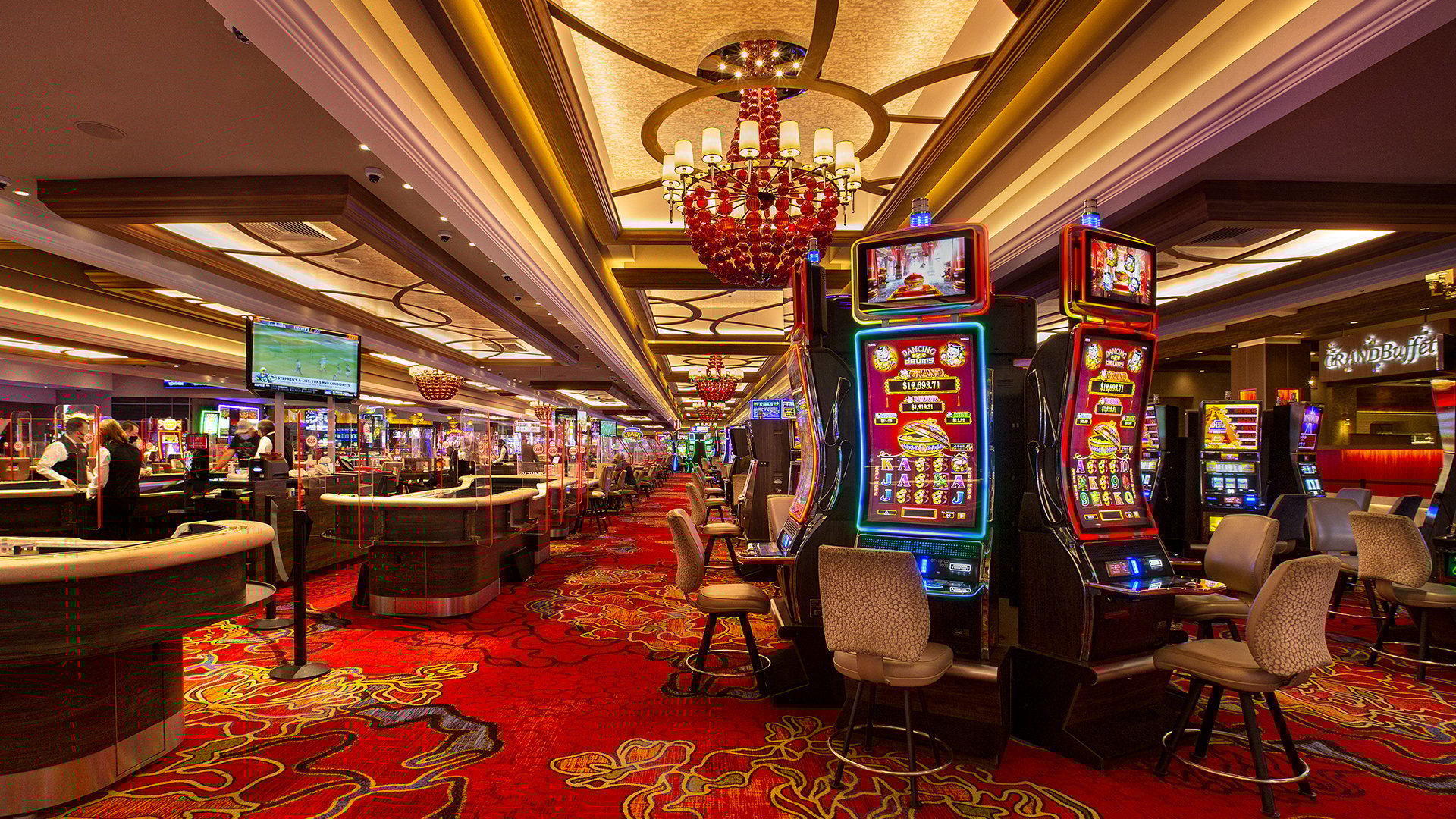
As societies evolved, so did gambling practices. The Greeks and Romans developed sophisticated games involving betting, often linked to chariot races and gladiatorial contests. These activities were not only forms of entertainment but also major social events, highlighting the communal aspect of gambling. In fact, many ancient texts reference gambling as an integral part of life, portraying it as both a vice and a thrill that encapsulated human nature’s unpredictability.
The transition from simple games to organized gambling events marked a significant milestone in history. By the Middle Ages, gambling had established itself in various forms, including card games and betting on events. This period also witnessed the rise of gambling houses, where individuals could gather to engage in games of chance, laying the foundation for modern casinos.
The Rise of Casinos and Formal Gaming
The formalization of gambling took a significant leap with the establishment of the first recognized casinos in the 17th century. The Ridotto in Venice, launched in 1638, was one of the earliest establishments dedicated solely to gambling. This venue offered a controlled environment for high-stakes gaming, attracting nobles and wealthy patrons. The success of the Ridotto paved the way for other gambling houses across Europe, thereby popularizing organized betting.
Throughout the 18th century, gambling houses became prevalent in cities, catering to a growing middle class. France saw the birth of the modern roulette game, further capturing the public’s imagination. The allure of casinos expanded beyond mere games; they became social hubs where people mingled, celebrated, and indulged in luxury, shaping the cultural landscape of the time.
The 19th century saw gambling spread to America, with the establishment of gaming houses in places like New Orleans. The introduction of poker and other card games contributed to the gambling culture in the United States. These developments not only transformed the social dynamics of gambling but also initiated the emergence of laws and regulations aimed at controlling gaming activities, setting the stage for modern gambling legislation.
The Impact of Legalization and Regulation
The legalization of gambling began in the 20th century, fundamentally altering the landscape of the industry. In the United States, Nevada legalized casino gambling in 1931, which led to the rise of Las Vegas as the gambling capital of the world. This not only created a booming economy but also sparked a cultural revolution, where gambling became associated with entertainment, glamour, and escapism.
Simultaneously, other states and countries began to recognize the potential economic benefits of legalized gambling. This led to the establishment of lotteries, racetracks, and casinos in various jurisdictions. The regulatory frameworks put in place aimed to ensure fair play, protect consumers, and generate revenue for local governments, thereby legitimizing gambling as a mainstream activity.
The impact of regulation was profound, as it not only helped mitigate illegal gambling but also fostered a safer environment for players. This era saw the birth of responsible gaming initiatives, aimed at educating players about the risks of gambling addiction. The collaboration between governments and the gaming industry marked a significant turning point, as it demonstrated that gambling could coexist with societal values and contribute positively to communities.
The Technological Revolution in Gambling
As technology progressed, so did the methods and platforms for gambling. The advent of the internet in the late 20th century revolutionized the gambling industry, allowing players to access games from the comfort of their homes. Online casinos began to emerge, offering a plethora of games ranging from poker to slots, all available with a simple click. This shift not only broadened the audience but also enhanced the gaming experience with innovative features like live dealer games and interactive platforms.
Mobile technology further propelled the evolution of gambling. With the widespread use of smartphones, players could engage in gambling activities anytime, anywhere. Mobile applications offered convenience, enabling players to place bets, play games, and manage their accounts on the go. This accessibility has transformed the demographic landscape of gambling, attracting younger players who prefer digital platforms over traditional venues.
Moreover, advancements in technology have introduced elements like virtual reality and artificial intelligence into the gaming world. These innovations have the potential to create immersive gambling experiences, simulating the thrill of being in a real casino. As technology continues to advance, the future of gambling promises to be even more dynamic, catering to diverse preferences and enhancing user engagement.
The Current Landscape of Gambling and Future Trends
Today, gambling has morphed into a multifaceted industry that encompasses various forms, from traditional casinos to online platforms and sports betting. The global gambling market is projected to grow significantly, driven by changing regulations and an increasing acceptance of gambling as a form of entertainment. With the rise of e-sports and virtual betting, the landscape continues to evolve, attracting new audiences and demographics.
Furthermore, the implementation of responsible gaming measures has become paramount in the industry. Operators are increasingly adopting practices that promote healthy gambling habits, ensuring that players are informed about risks and that support systems are in place for those who may develop issues. This focus on player well-being is crucial for sustaining the industry’s growth and maintaining public trust.
Looking ahead, the future of gambling will likely be shaped by ongoing technological advancements and societal changes. Innovations such as blockchain technology promise to enhance security and transparency in transactions, while the continuous integration of gamification elements will attract a broader range of players. As gambling evolves, it will be essential for stakeholders to adapt and respond to these changes, ensuring a vibrant and responsible gaming environment.

Exploring Just Casino: A Modern Gaming Experience
In the context of this evolving industry, Just Casino stands out as a leading online platform tailored for players in New Zealand. With an extensive library of over 3,500 games, including pokies, live dealer experiences, and classic table games, Just Casino caters to a diverse audience. The user-friendly interface and engaging design ensure that players can navigate easily and find their favorite games.
Moreover, Just Casino offers a generous welcome bonus of up to NZ$4,000 plus 300 free spins, making it an enticing option for new users. The commitment to rapid NZD withdrawals ensures that players can access their winnings swiftly, enhancing their gaming experience. With a focus on responsible gaming, Just Casino promotes safe practices while providing reliable customer support to assist players at any time.
As the gambling landscape continues to evolve, Just Casino exemplifies how modern technology and innovative practices can come together to deliver an exceptional gaming experience. By combining entertainment with a focus on player welfare, Just Casino represents a significant step forward in the journey of gambling through time.